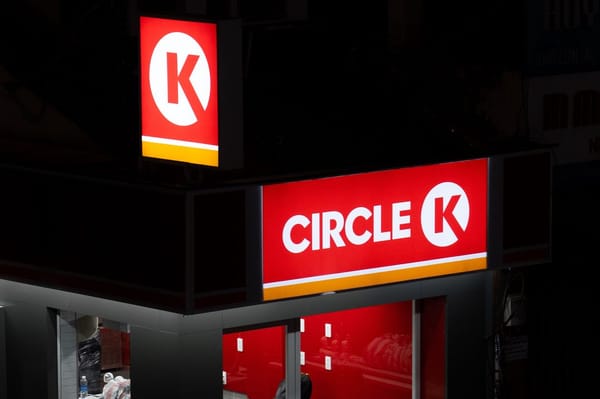
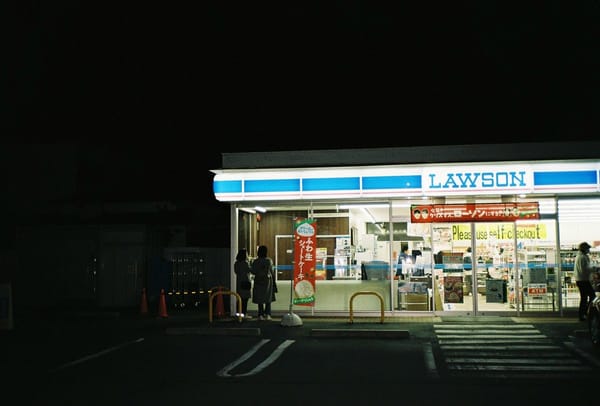
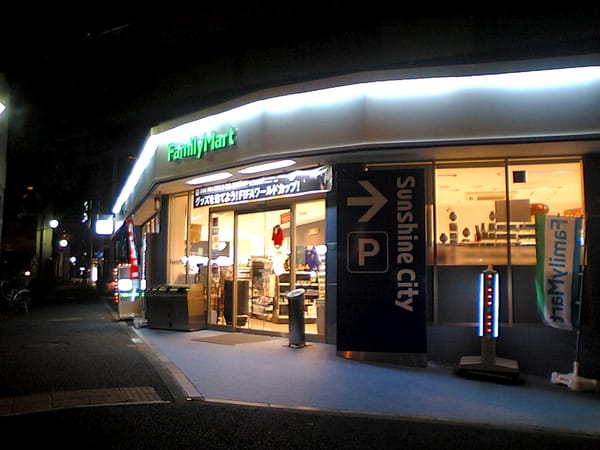
urban lifestyle The Convenience Store Is Asia's Real Third Place Cafes get the credit, but from Tokyo to Seoul the 24-hour convenience store is where Asia's cities actually live between midnight and dawn.
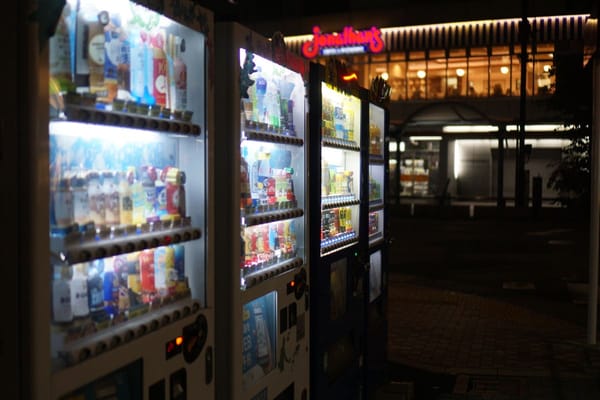
urban design The Wall That Never Sleeps: How Japan and Korea Turned the Vending Machine Into Urban Infrastructure Tokyo has one vending machine for every thirty-one people nationwide — a distributed convenience network that behaves like infrastructure, not retail.
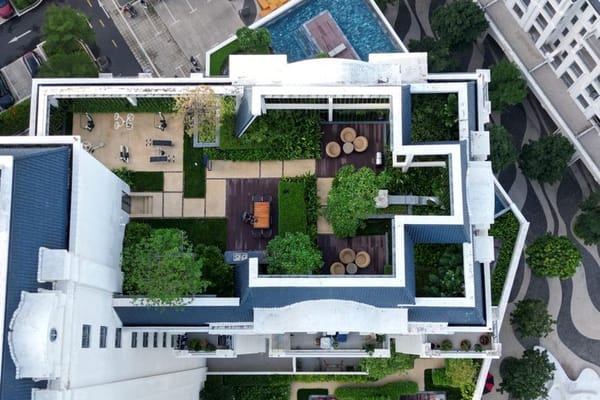
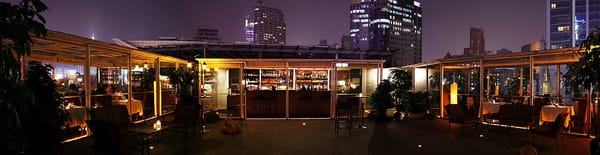
rooftops The Rooftop Came Alive: How Asian Cities Are Reclaiming the Last Empty Floor Across Bangkok, Seoul, Singapore and Hong Kong, the once-locked rooftop is becoming a garden, a cafe or a farm. It is also a quiet measure of how little space these dense cities have left.
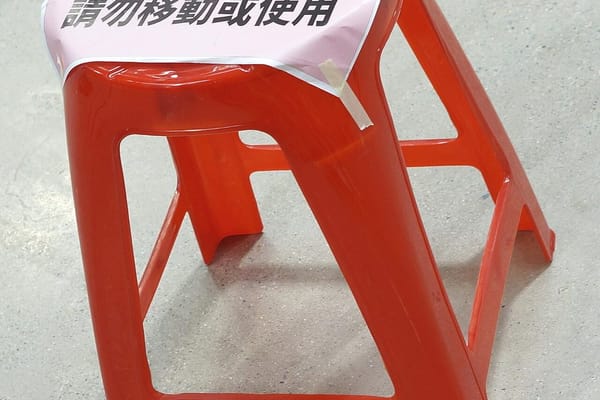
Asian urban life The Stool That Eats Standing Room: Asia's Plastic Street Seat The 30-centimetre plastic stool turns any Asian pavement into a dining room for a few cents a night. It is the continent's cheapest, most flexible piece of urban infrastructure.
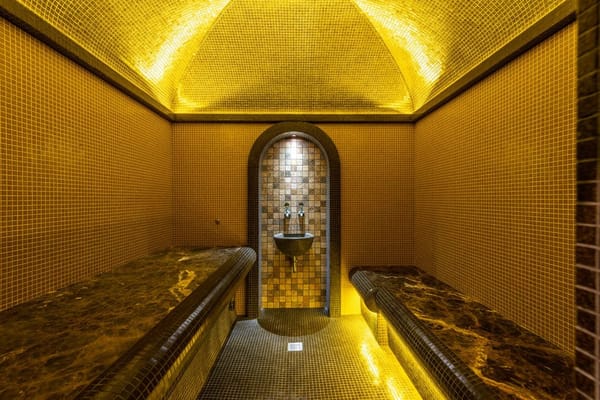
Urban Life The Bathhouse Never Closed: Why Asia's Sento and Jjimjilbang Still Anchor City Social Life Apartments all have bathrooms now, yet Asia's sento and jjimjilbang keep their doors open. The reason has little to do with washing.
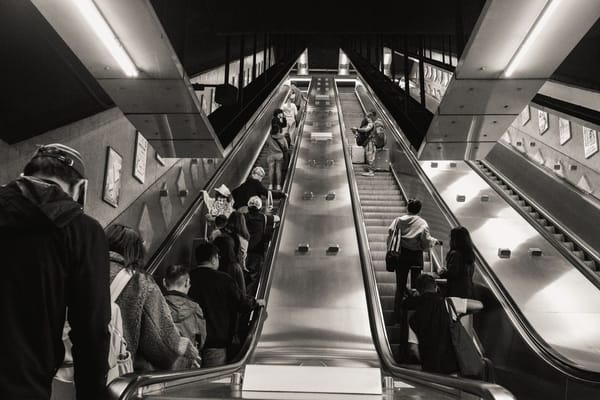
Urban Transit The Escalator That Became a Street: How Hong Kong, Chongqing and Yokohama Move People Up a Hillside Hong Kong's Central-Mid-Levels Escalator carries roughly 85,000 people a day up a slope no bus could climb. It is not a novelty. It is a street that happens to be tilted.
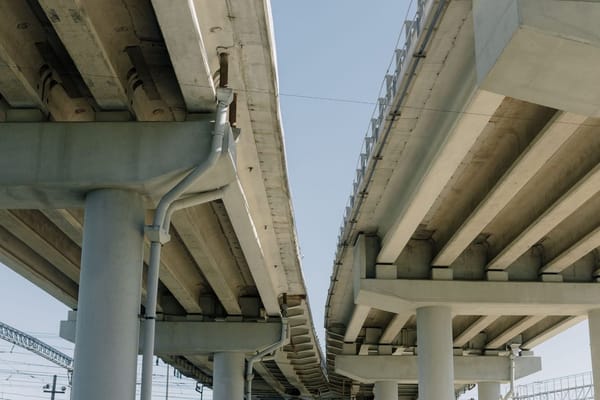
Urban Life The Room Under the Road: How Asian Cities Are Reclaiming the Space Beneath Their Flyovers Across Bangkok, Seoul and Tokyo, the shaded ground beneath elevated expressways and rail viaducts is becoming some of the most usable public space in dense Asian cities.
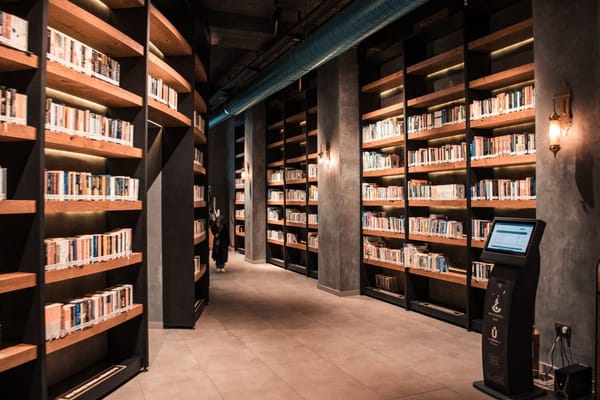
Urban Life The Library Came Back: How Asia Turned the Quietest Building in the City Into Its Liveliest Walk into the Tianjin Binhai library on a Saturday and you'll struggle to find a seat. The same is true of the National Library Board's newest branches in Singapore, of Seoul's Starfield COEX hall, of the redesigned wings of Tokyo's ward libraries.
Fitness The 24-Hour Gym Changed Asian Fitness Culture More Than Any Equipment Ever Did When gyms started staying open all night, Asian cities didn't just gain late-night workout options — the whole relationship between urban professionals and exercise shifted. Here's how it happened.
Urban Life The Convenience Store Is Asia's Quietest Piece of Urban Infrastructure The 24-hour convenience store has quietly become one of the most important pieces of urban infrastructure in Asia, and almost no city plans around it on purpose.
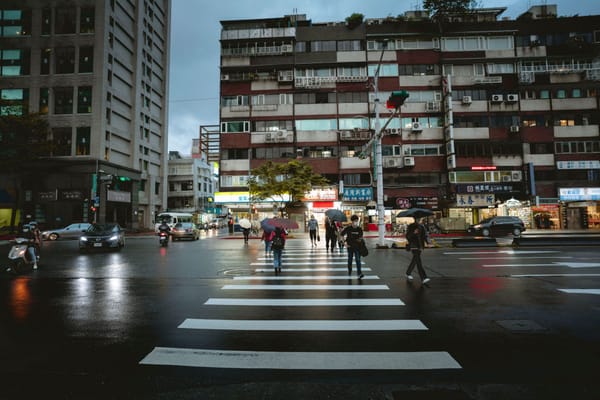
Asia The Covered Walkway Season: How Singapore, Taipei and Bangkok Built Cities You Can Cross in the Rain As the June rains settle over Southeast Asia, the covered walkway quietly becomes the most important piece of infrastructure in the city.
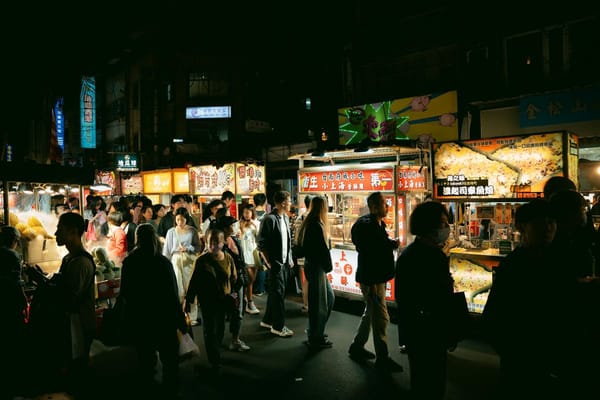
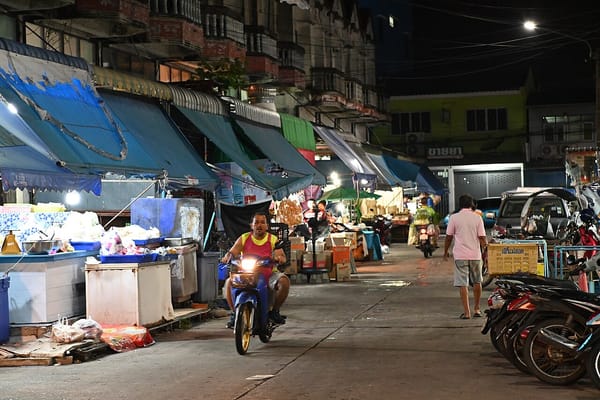
Urban Life The Night Market as Civic Space: Why Asia's Best Public Square Has No Roof and No Entry Fee A night market is the one place in an Asian city where the social hierarchy genuinely flattens. The office worker in a suit, the student counting coins, the family with a stroller and the tourist with a phone out all stand in the same queue for the same bowl, paying
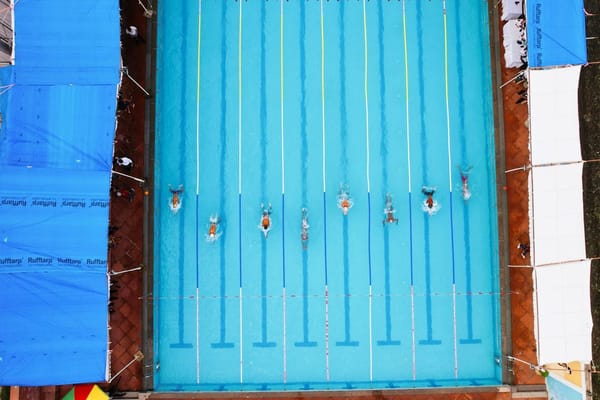
Asian cities The Public Pool as Urban Infrastructure: How Bangkok, Tokyo, and Seoul Cool Down Their Cities Every Summer Bangkok's ฿20 district pools, Tokyo's 750 ward facilities, and Seoul's Han River swimming areas do more collective urban work in summer than any single park or plaza — and they're among the least discussed pieces of Asian city infrastructure.
Urban Life Designing for 35 degrees: how Singapore, Tokyo and Bangkok keep their cities liveable in the heat As Asian summers get hotter, the region's great cities are quietly redesigning themselves around shade, water and air. Here's how three of them cope with the heat.
Asia Asian city life dispatch 24 May 2026: Tokyo's pre-tsuyu window, Bangkok's hottest week, Dragon Boat training in Hong Kong Late May across five Asian capitals — the calm before Tokyo's rainy season, Bangkok at 38°C, Dragon Boat training in Stanley Bay, the durian season opener in Singapore, and Seoul's bingsu shops reopening.
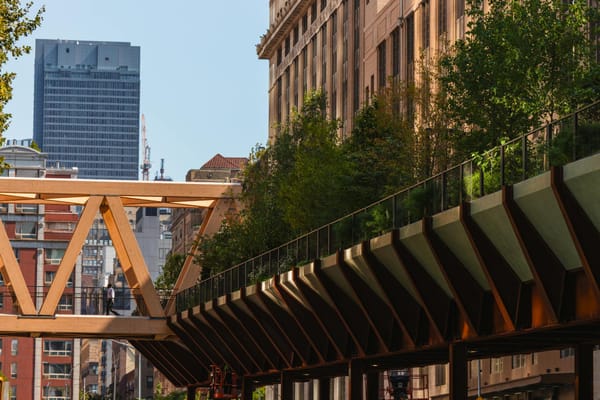
urban design The Asian High-Line: Seoul, Singapore and Tokyo Found Three Different Answers to the Disused Rail Question Seoul kept the highway honest. Singapore stripped the rail corridor pristine. Tokyo refused the park typology entirely. Three Asian answers to one question.
Shanghai Shanghai's 24-Hour Cafe Belt: How a Quiet 2026 Zoning Change Created Asia's Densest Late-Night Coffee Scene A barely-noticed municipal regulation passed in Shanghai in January 2026 has produced the most concentrated 24-hour cafe scene in Asia. The block-by-block map shows where the late-night coffee belt actually sits — and why it is mostly not where you'd expect.
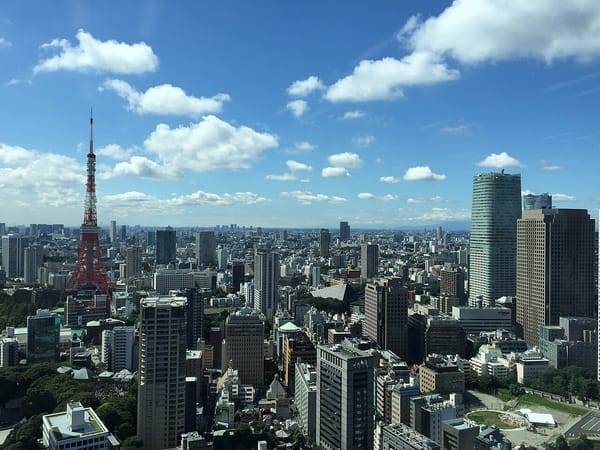
Tokyo Tokyo's Toranomon Hills After the Final Phase: How One Mori Project Quietly Made Central Tokyo Walkable Again The Toranomon Hills complex, fully complete in May 2026 after 24 years of phased development, did something Tokyo hadn't seen in central business districts since the 1980s: it made eight square blocks fully walkable. Urban planners across Asia have arrived to study it.
Asian cities The Asian Rooftop: Bangkok, Manila, Jakarta and the Floor Above the City That Belongs to Everyone Bangkok, Manila and Jakarta have built tropical Asia's most successful piece of shared urban space, almost by accident: the residential rooftop. A look at the climate, culture and code that make it work.
Asian cities The Asian Convenience Store at 3 AM: Tokyo, Seoul, Taipei After Dark Tokyo, Seoul and Taipei have one convenience store for every 1,200 to 1,800 residents. They are not just shops. They are the most underrated late-night public infrastructure in any Asian city.
asia city life The Asian Apartment Balcony: Why Hong Kong, Bangkok and Seoul Built the Most Functional Outdoor Spaces in the World The European balcony is a stage. The American one is a tiny patio. The Hong Kong, Bangkok and Seoul balcony is a working room — laundry, garden, food prep, ventilation. It's the most functional design Asia exports without anyone noticing.
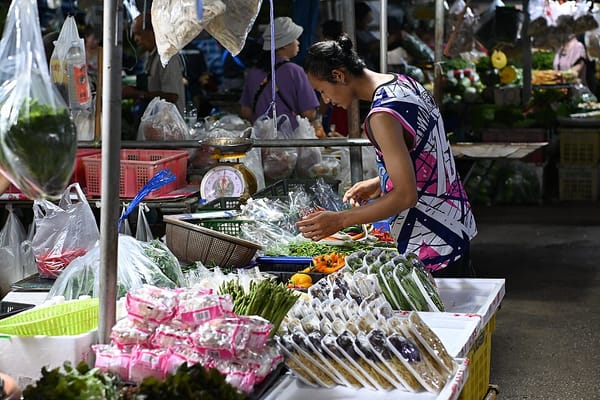
wet markets The Disappearing Asian Wet Market: Why Hong Kong, Taipei and Bangkok Are Quietly Losing the Stalls That Defined Their Cities Wet markets shaped how Asian cities cooked, ate and met each other for a hundred years. They are closing faster than most residents realise, and the replacements feel different.
urban Asia The Asian Park Bench Hour: Why Urban Asia Built Its Best Public Spaces Around the Late Afternoon Across Tokyo, Seoul, Taipei, Singapore and Hong Kong, the late afternoon park bench is the secret architecture that makes Asian cities liveable.
Asia The Asian Neighbourhood Morning: Why the First Hour of an Asian City Is Its Best Hour The first hour of an Asian city is its most honest hour, told through eight neighbourhoods from Tokyo to Singapore.
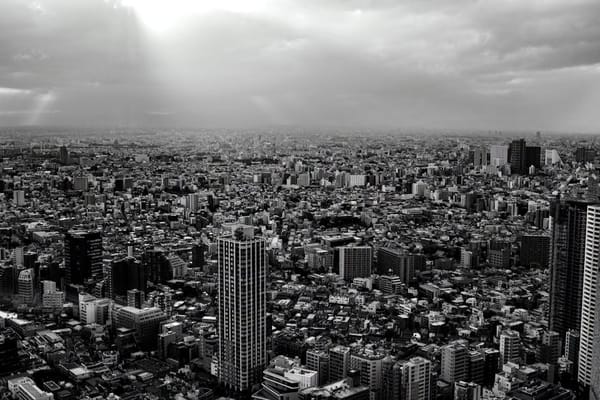
urban planning What Asian Cities Teach the World About Living Together Thirty million people live in greater Tokyo. The trains run on time, the streets are clean, and your neighbor won't play music past 10 PM. This isn't an accident.